Lissele Pratt of Capitalixe cautioned Keir Starmer’s Digital ID proposal is daring and polarizing, but might be a big danger if implemented poorly.
The Prime Minister declared this morning that all workers in the UK will have to have a Digital ID by the end of this Parliament, which has caused a huge response.
It is following the example of many European countries, with Bulgaria and Cyprus being the only two countries in Europe that do not currently have a digital ID.
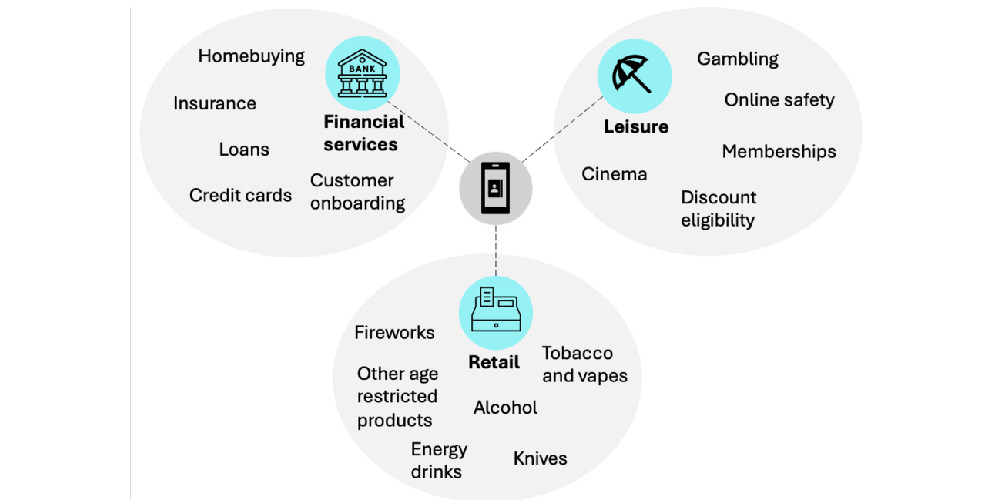
Speaking to iGaming Expert, Pratt said: “If designed well, digital ID in Britain could be a real boost to AML in high risk sectors. A government confirmed source of identity would speed up onboarding, cut down on manual checks, and build better audit trails, which is particularly helpful for sectors such as gambling, crypto and cross-border fintech. It could even lead to continuous KYC where updates are automatic and compliance becomes intelligent and not just reactive.
“But let us be clear about the risks. A national digital ID is a ripe target for criminals, and will raise civil rights questions. The UK should not embrace a centralized database model that undermines trust, but a privacy preserving, federated strategy with permission, data minimization, rigorous breach reporting and unambiguous liability allocation between the state and private enterprises. “Get that right and you’re tightening up fraud controls without locking out legitimate customers.
The Britcard has some limitations in its basic form. But if it does it might have a huge impact on safer gambling and a single perspective of the client.
Duncan Garvie of BetBlocker told iGamingExpert: “Whilst I have personal reservations about the introduction of mandatory digital ID on the grounds of civil liberties, privacy and the efficacy of this approach being introduced as a panacea to the problems of immigration, a mandatory ID card does present some opportunities for the gambling industry.
Taken with a licensing need to supply an ID card number upon registration, this could make it easier to prohibit underage access to gambling services, enforce GAMSTOP exclusions and prevent identity theft and fraud.
“This could also make it easier to achieve a single customer view, to facilitate improvements in affordability assessments.”
However, he was keen to point out that there is a long way to go for digital ID in terms of having these capabilities in the UK market.
Garvie added: “You would need a lot of work around privacy and data sharing for the creation of an ID card on its own to achieve this. The digital ID is merely a more standardized identify of an individual. “However, a whole system would need to be built around this to link financial reports to that identifier and provide safe and secure access to that information before the Digital ID would be an effective tool for affordability checks.”
The UK will benefit from more mature types of Digital Identification – notably in the UAE and Singapore where Digital ID has improved on boarding efficiency.
“UAE and Singapore are great examples of how powerful a digital ID can be when it’s integrated into financial services,” said Pratt. The Emirates ID and UAE Pass provides banks with a direct link to the government systems in the UAE, so onboarding is faster and the assurance is higher.
“Singapore has integrated Singpass with reusable verified data so that customers can share pre-approved information within seconds. The lesson for the UK would be that a digital ID that combines solid identity with consent driven data sharing and clear restrictions for enterprises may both boost AML standards and improve the consumer experience.”
The plans focus on the capacity to tackle illicit working but a government update also showed the roll out will save time by removing the need for complex identity checks that tend to depend on copies of paper records.
And easier to apply for things like driving permits, childcare and welfare and easier access to tax data. The new digital ID will be stored on people’s phones, exactly as millions already do with the NHS App or contactless mobile payments.
Starmer said: “Digital ID is a huge opportunity for the UK. It will make it harder to work illegally in this nation. It will make our borders more secure. It will also provide everyday folk a variety of benefits, such as being able to verify who you are for quick access to vital services – rather than rummaging around for an out-of-date energy bill.”